
Effective Communication & Active Listening with Students
A practical professional development workshop that helps school counselors strengthen communication, build trust, improve listening skills, and create more meaningful conversations with students in modern school settings.
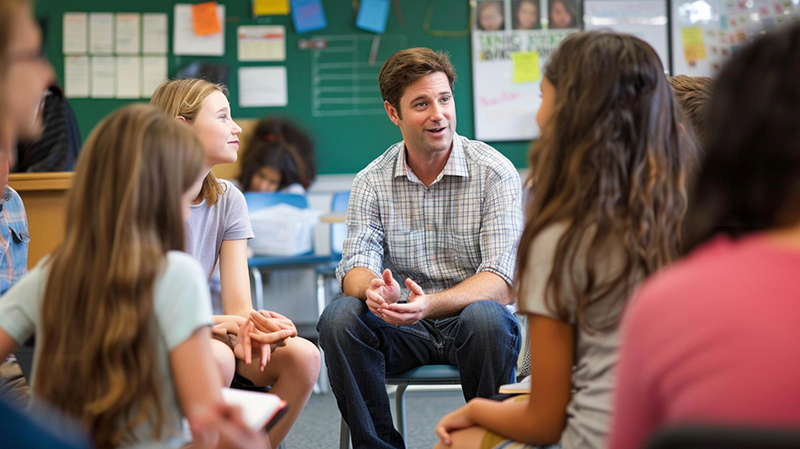
Intro Section
Strong counseling often begins with something simple but powerful: how students experience the conversation. Students are more likely to open up when they feel respected, listened to, and not rushed or judged. CDC guidance on communicating with young people describes active listening as allowing them to share thoughts and feelings without interruption and then reflecting back what was heard to show understanding. UNICEF likewise notes that active listening helps young people feel heard, understood, less alone, and calmer.
This workshop helps school counselors strengthen one of the most essential parts of their role: communicating in ways that build trust, clarity, and connection. It is designed to support better one-to-one conversations, more effective guidance sessions, and stronger student relationships across academic, career, and wellbeing contexts. ASCA resources also stress keeping discussions student-centered, modeling listening, and creating space for students to reflect before responding.
Why This Workshop Matters
Many counseling challenges are not only about what topic is being discussed, but how the conversation is happening. A student may shut down if they feel lectured. Another may speak only superficially if they sense impatience or judgment. Others may need more silence, more reflection, or better questions before they can express what they really mean. ASCA specifically advises school counselors to model active listening, keep conversations student-centered, and avoid lecturing students.
This creates an important need for counselors to strengthen communication as a professional skill, not treat it as something automatic. CDC guidance says active listening includes giving space without interruption and reflecting back meaning, while UNICEF emphasizes that respectful, non-judgmental listening helps young people feel valued rather than dismissed.
This workshop was created to help counselors communicate with more intention and impact. It helps them move beyond simply talking to students and toward listening in ways that improve trust, emotional safety, clarity, and student participation.
Who Should Attend
This workshop is designed for:
- school counselors
- career guidance counselors
- student wellbeing professionals
- pastoral care and student support staff
- school leaders involved in student support and guidance
- educators supporting middle school, high school, and pre-university students
It is especially useful for professionals who want to strengthen:
- trust-building with students
- active listening and reflection
- student-centered conversations
- communication in difficult or sensitive situations
- question framing and verbal responses
- rapport in one-to-one or small-group settings
ASCA materials on student discussion and engagement emphasize safe, engaging environments where students feel comfortable sharing thoughts, feelings, interests, and experiences.
What Participants Will Learn
By the end of this workshop, participants will be able to:
- explain why active listening is essential in student counseling conversations
- identify common communication habits that reduce trust, openness, or clarity
- recognize how tone, timing, silence, body language, and reflection affect student response
- apply practical communication strategies that help students feel heard and respected
- guide conversations in a more student-centered, calm, and purposeful way
- develop at least one practical strategy for improving listening and communication in their school
These learning priorities are strongly supported by CDC, UNICEF, and ASCA guidance on listening, reflection, engagement, and communication with adolescents.
Workshop Overview
Effective Communication & Active Listening with Students is a practical workshop for counselors who want to improve the quality of their conversations, not just the content of their advice. It explores how students respond to presence, listening, empathy, timing, wording, and the feeling that someone is truly trying to understand them.
Participants will examine how communication can either open students up or cause them to close down. The workshop also explores how counselors can use reflection, open questions, silence, validation, and calm responses to create more meaningful student dialogue. CDC guidance notes that reflecting back what a young person has said helps show understanding, while UNICEF stresses that non-judgmental listening helps young people feel calmer and less alone.
Rather than treating communication as a soft extra, this workshop frames it as a core counseling skill. ASCA’s student-centered discussion guidance and school-counselor engagement resources support the importance of listening, trust, and authentic connection in effective school counseling.
Workshop Modules
Module 1: Understanding Communication in the Student Context
This module introduces how communication affects trust, safety, and student willingness to engage. Participants explore why students respond differently depending on tone, timing, and counselor presence.
Module 2: What Active Listening Really Looks Like
This section focuses on listening without interruption, reflecting meaning, noticing feelings, and showing genuine attention. CDC guidance defines active listening in similar terms, including letting youth share and then repeating back what was heard in your own words.
Module 3: Common Communication Barriers in Counseling
This module looks at habits that weaken student conversations, such as interrupting, overexplaining, rushing to solutions, lecturing, or failing to notice emotional cues. UNICEF notes that poor listening can leave young people feeling brushed off or invalidated.
Module 4: Practical Counseling Strategies for Better Conversations
The final module turns insight into practice. Participants explore reflection prompts, listening techniques, student-centered questions, and communication approaches that help students speak more openly and think more clearly. ASCA also highlights student-centered facilitation and allowing space for reflection, including silence.
Learning Format
This workshop is designed as an interactive professional learning experience. Depending on delivery format, participants may engage in:
- guided presentation segments
- facilitated discussion
- counselor-student communication scenarios
- reflection activities
- paired listening exercises
- counseling conversation prompts
- school-based action planning
This structure fits the topic well because communication skills improve through practice, observation, and reflection. CDC facilitator guidance for teen roundtables also emphasizes reflecting contributions, authenticity, and attention to participant comfort and engagement.
Key Themes Covered
- active listening with students
- student-centered communication
- trust and rapport in counseling
- reflective listening
- empathy and validation
- calm and purposeful questioning
- communication barriers in student support
- verbal and non-verbal communication
- building safer student conversations
- stronger counselor-student connection
UNICEF adolescent resources also identify communication and expression, listening to others’ needs, and communicating calmly in challenging situations as key competencies for adolescents.
What Counselors Will Gain
Participants can expect to leave with:
- a clearer understanding of what effective listening looks like in school counseling
- stronger language for responding to students with empathy and clarity
- better ways to reduce shutdown, defensiveness, or misunderstanding
- more confidence in creating calmer and more productive conversations
- practical ideas for one-to-one sessions, small groups, and student support meetings
This matters because strong communication helps students feel heard and valued, which CDC and UNICEF both highlight as central to supportive interactions with adolescents.
Value for Schools
Schools benefit when counselors communicate in ways that strengthen trust and make student support more effective. This workshop helps improve the school’s guidance approach by turning communication from an assumed skill into a practiced professional strength.
It can support schools in:
- improving student-counselor trust
- strengthening difficult or sensitive conversations
- helping students feel more comfortable asking for support
- improving the quality of small-group and one-to-one guidance
- showing that the school values respectful, student-centered communication
ASCA engagement resources note that positive counselor-student relationships are vital for building trust and fostering open, honest communication.
Credit Hours and Recognition
Credit Hours: 4
Certificate: Certificate of Completion issued by UNIRANKS
Pathway: Counts toward the UNIRANKS Certified Counselor professional development pathway
This workshop forms part of a broader counselor development effort focused on relationship-building, student wellbeing, future readiness, and stronger communication in modern school counseling. ASCA and CDC materials both support communication and listening as foundational to effective support for young people.
Help Counselors Build Better Conversations with Students
Equip your counseling team with practical strategies to listen more effectively, communicate with more empathy, and create stronger student conversations built on trust, clarity, and respect.
Frequently Asked Questions
Explore common questions about this workshop on effective communication, active listening, and student-centered counseling conversations.
This workshop is designed mainly for school counselors, student support staff, wellbeing teams, and school leaders involved in student guidance. It is especially useful for professionals who want to strengthen how they listen, respond, and build trust with students in everyday counseling situations. ASCA resources support this student-centered communication approach.
Have a Question or Enquiry?
Need more information about OnePath™, access options, pricing, or support? Contact our team and we will be happy to assist you.